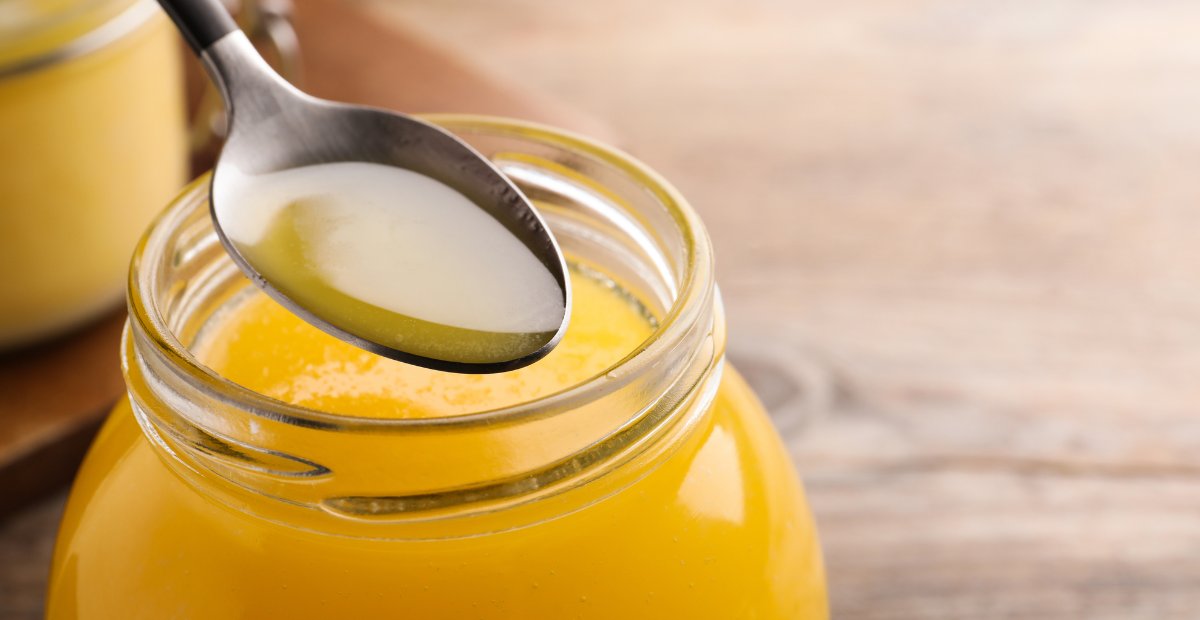
For centuries, honey and ghee have been essential parts of traditional Indian diets. These natural ingredients were valued not only for their taste but also for their role in daily nutrition and wellness. In recent years, both honey and desi ghee are experiencing a strong revival as consumers move toward natural, minimally processed foods. This growing demand reflects a broader shift toward traditional ingredients and conscious eating habits.
The Historical Importance of Honey and Ghee
Both honey and ghee have deep roots in Indian culture and food traditions. Ancient Indian texts often refer to these ingredients as nourishing and beneficial for overall well-being. In traditional households, they were used for:
• cooking and food preparation
• natural sweetening
• religious rituals and cultural ceremonies
• traditional health practices
These ingredients were considered staples because they were natural, nutrient-rich, and widely available in traditional farming systems.
Nutritional Value of Desi Ghee
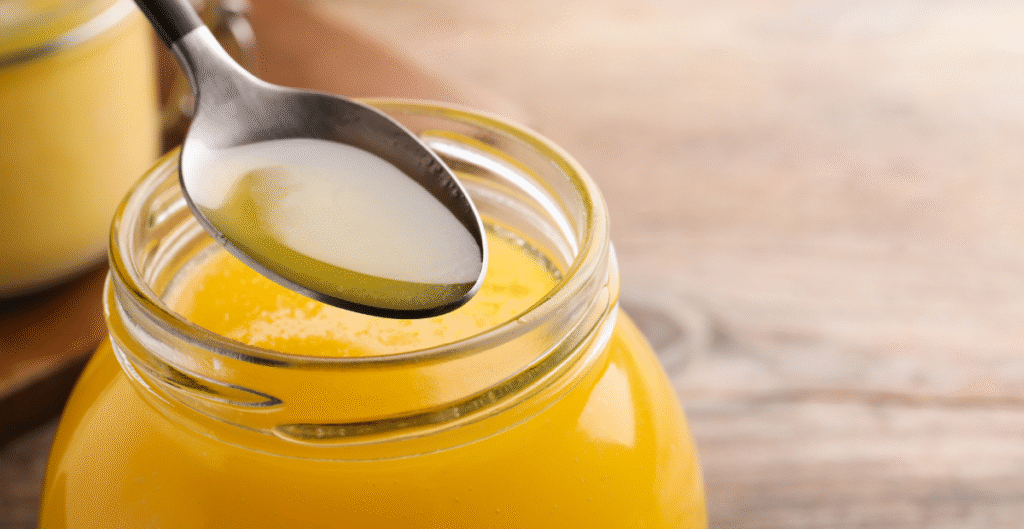
Desi ghee is clarified butter prepared by slowly heating butter to remove water and milk solids. This process creates a rich golden fat that is widely used in Indian cooking. Key nutrients found in ghee include:
• healthy fats
• fat-soluble vitamins such as vitamin A and vitamin E
• short-chain fatty acids
• natural antioxidants
Because of its high smoke point, ghee is suitable for various cooking methods including sautéing, roasting, and traditional Indian tempering techniques.
Natural Properties of Honey
Honey is a natural sweetener produced by bees from flower nectar. Unlike refined sugar, raw honey contains several naturally occurring compounds such as:
• natural enzymes
• antioxidants
• trace minerals
• small amounts of vitamins
Honey has traditionally been used not only as a sweetener but also in herbal preparations and home remedies.
Growing Consumer Concerns About Processed Foods
One of the major reasons behind the comeback of honey and ghee is the increasing concern about highly processed food products. Many consumers are now trying to reduce the intake of:
• refined sugar
• artificial sweeteners
• heavily processed fats
• chemical additives in food products
As a result, natural alternatives such as honey and traditional ghee are gaining renewed attention.
The Influence of Traditional Diets
India’s traditional dietary patterns emphasized natural ingredients prepared through simple methods. Earlier generations consumed foods that were closer to their original form, often sourced locally and prepared at home. The return of ingredients like honey and ghee reflects a renewed appreciation for these traditional dietary principles. Many households are rediscovering foods that are:
• minimally processed
• naturally produced
• rooted in traditional culinary practices
Role in Modern Wellness Trends
Today, honey and ghee are often associated with broader wellness movements that emphasize natural nutrition and holistic living. Consumers interested in traditional wellness practices frequently include these ingredients in their daily diets. Their popularity is also supported by references in traditional health literature such as the Charaka Samhita, where both honey and ghee are mentioned in various dietary contexts.
Final Thoughts
The growing popularity of pure honey and desi ghee reflects a shift toward simpler, more natural food choices. As people become more aware of how their food is produced, there is increasing interest in ingredients that are authentic, minimally processed, and rooted in traditional knowledge. By returning to time-tested staples like honey and ghee, modern kitchens are reconnecting with India’s rich culinary heritage and natural approach to nutrition.