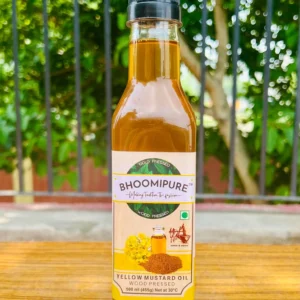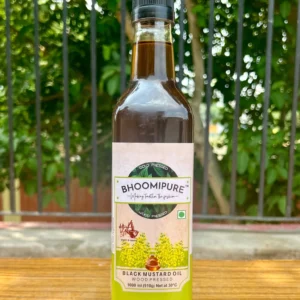
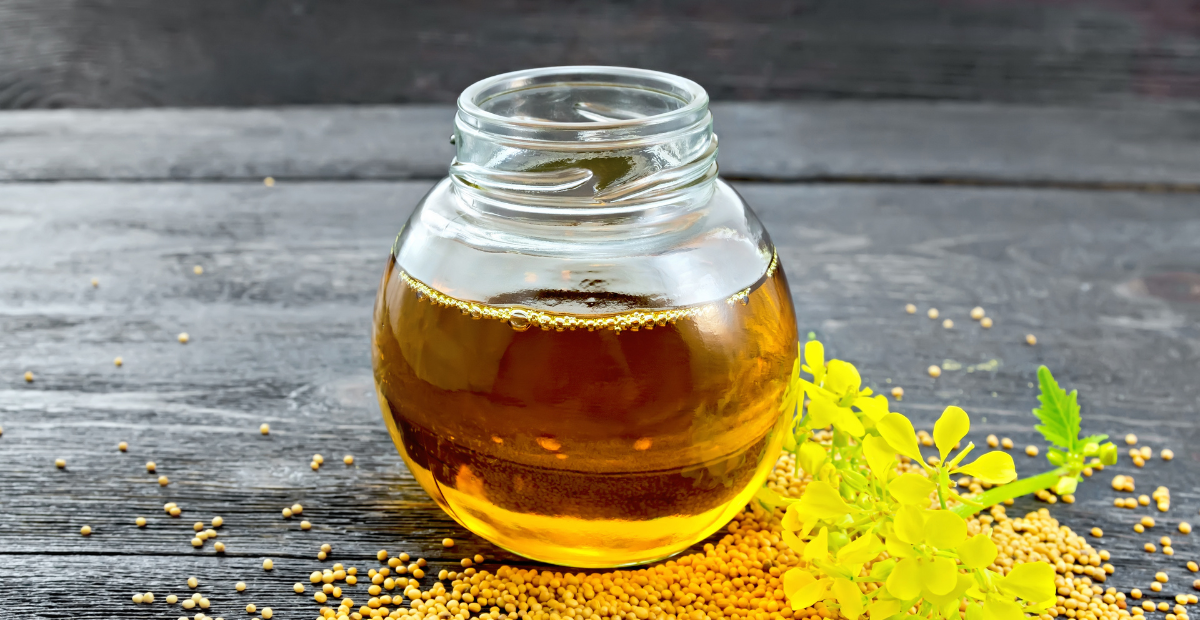
For generations, mustard oil has been a staple in Indian kitchens. Long before modern refined oils became common, families across northern and eastern India relied on mustard oil for cooking, food preservation, and traditional remedies. Today, modern research is rediscovering many of the health benefits that traditional knowledge already recognized. Understanding why earlier generations preferred mustard oil reveals valuable insights into traditional nutrition and natural food practices.
A Traditional Kitchen Essential
Mustard oil has been widely used in Indian households for centuries, especially in regions such as:
• Bihar
• West Bengal
• Uttar Pradesh
• Punjab
• Rajasthan
Its strong aroma, distinctive flavor, and high smoke point made it suitable for a variety of cooking styles including frying, sautéing, and pickling.
Beyond cooking, mustard oil was also used for:
• body massage
• hair care
• skin protection during winter
• traditional remedies in rural households
These uses reflect mustard oil’s long-standing role in daily health and wellness practices.
Nutritional Composition of Mustard Oil
Modern nutritional studies show that mustard oil contains several beneficial fatty acids and bioactive compounds.
Key nutrients found in mustard oil include:
• Monounsaturated fatty acids (MUFA)
• Polyunsaturated fatty acids (PUFA)
• Omega-3 fatty acids
• Omega-6 fatty acids
• Vitamin E
Research on edible oils indicates that mustard oil contains a favorable balance of fatty acids that may support cardiovascular health when consumed in moderate amounts.
Natural Antioxidant Properties
Mustard oil also contains natural antioxidants such as tocopherols and phenolic compounds, which help protect the oil from oxidation and contribute to its nutritional value. These compounds may help support the body’s ability to combat oxidative stress. Because traditional mustard oil is often produced through mechanical extraction methods, it can retain more of these naturally occurring compounds compared to heavily processed oils.
Role in Traditional Indian Medicine
In traditional Ayurvedic practices, mustard oil has been valued for its warming properties. Ancient Ayurvedic texts such as the Charaka Samhita describe mustard-based preparations used for various therapeutic purposes.
Traditional applications included:
• improving circulation through massage
• supporting digestion
• maintaining skin health
• seasonal wellness practices during cold weather
While many of these uses were based on traditional knowledge, modern research continues to explore the potential health effects of mustard oil’s natural compounds.
Mustard Oil in Traditional Cooking
Another reason mustard oil became popular historically was its high smoke point, which makes it suitable for cooking methods involving heat.
Traditional cuisines used mustard oil for:
• stir-frying vegetables
• cooking curries
• deep frying snacks
• preparing pickles and chutneys
The oil’s strong flavor also enhanced the taste of many regional dishes.
Why It Declined in Modern Kitchens
In the past few decades, mustard oil use declined in some households due to the widespread marketing of refined vegetable oils.
Factors that contributed to this shift include:
• aggressive promotion of refined oils
• changing urban cooking habits
• convenience-driven food choices
However, as awareness about food processing and nutrition increases, many households are returning to traditional cooking oils.
The Return of Traditional Oils
Today, health-conscious consumers are rediscovering oils that were commonly used by earlier generations.
The renewed interest in mustard oil is driven by:
• growing awareness about refined oil processing
• interest in natural and minimally processed foods
• appreciation for traditional cooking methods
• demand for authentic flavors in regional cuisine
This shift reflects a broader movement toward traditional food wisdom and natural nutrition.
Final Thoughts
Mustard oil has been part of Indian culinary and wellness traditions for centuries. What previous generations used out of habit is now being re-examined through modern scientific research. Its natural composition, versatility in cooking, and historical significance make mustard oil an important part of India’s traditional food culture. By understanding the science and tradition behind mustard oil, modern households can reconnect with time-tested dietary practices that have supported Indian kitchens for generations.