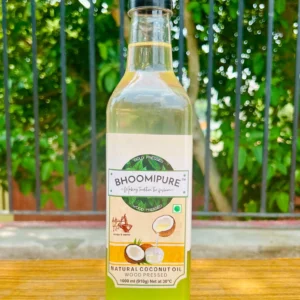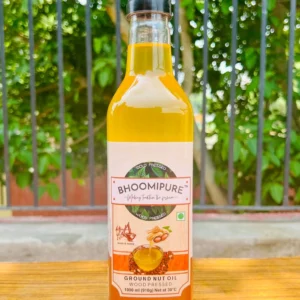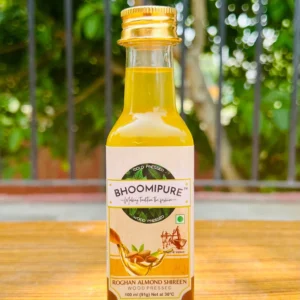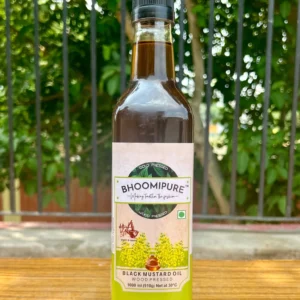
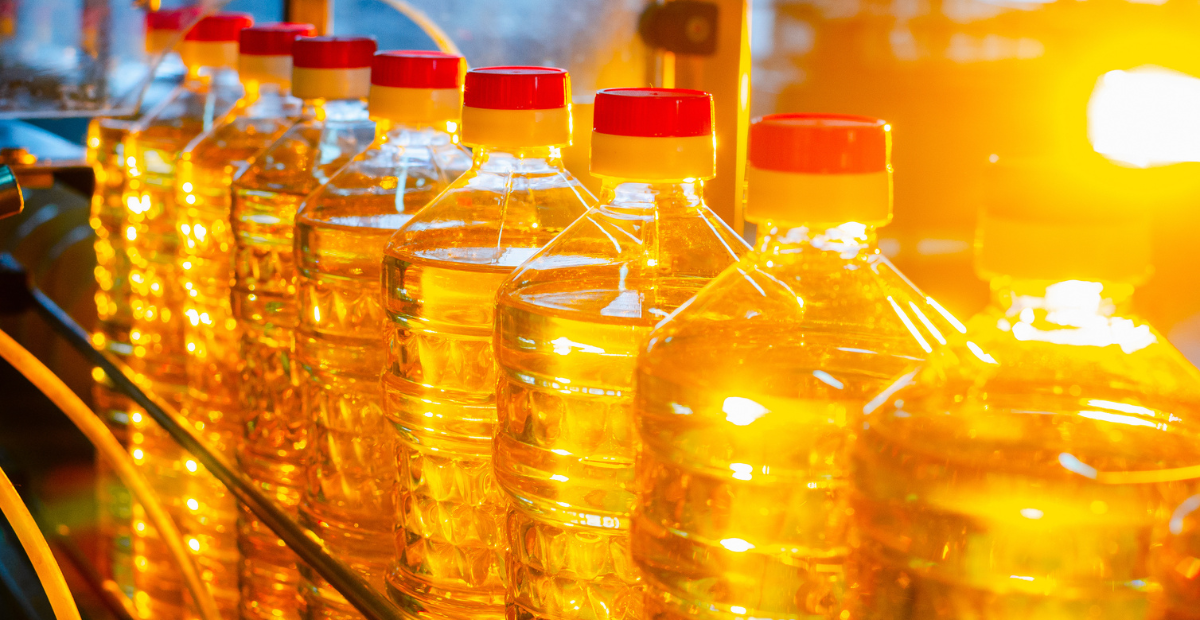
Cooking oil is a staple in almost every Indian kitchen, yet few people know how most commercial oils are actually produced. The majority of oils available in supermarkets are refined oils, created through large-scale industrial processes designed to maximize yield, extend shelf life, and produce a clear, odorless product.
While refining improves stability and appearance, research shows that the process can significantly change the oil’s natural composition and reduce some of its beneficial compounds.
How Refined Oils Are Produced
Industrial edible oil production usually begins with solvent extraction. Seeds such as soybean, sunflower, or mustard are crushed and treated with chemical solvents—most commonly hexane—to extract as much oil as possible.
After extraction, the crude oil undergoes several refining stages:
• Degumming – removes phospholipids, gums, and proteins that may cause instability in the oil.
• Neutralization – uses alkaline solutions to remove free fatty acids and improve shelf life.
• Bleaching – bleaching earth or activated clay removes pigments, impurities, and oxidation products.
• Deodorization – high-temperature steam treatment removes strong odors and flavors to produce a neutral-tasting oil.
Scientific literature on edible oil refining explains that deodorization is performed at high temperatures under vacuum conditions to eliminate unwanted volatile compounds.
Nutritional Impact of Refining
Natural vegetable oils contain several beneficial compounds that contribute to their nutritional value.
These include:
• Tocopherols (Vitamin E)
• Phytosterols
• Carotenoids
• Phenolic antioxidants
Research indicates that refining processes—especially bleaching and deodorization—can reduce these bioactive compounds.
Potential impacts of refining may include:
• Loss of natural antioxidants
• Reduction of micronutrients
• Degradation of delicate compounds due to heat exposure
• Removal of natural flavor and aroma
These components play an important role in antioxidant activity and nutritional quality.
Why Minimally Processed Oils Are Returning
As consumers become more aware of food processing methods, interest in minimally processed oils is increasing.
Traditional extraction techniques include:
• cold pressing
• mechanical pressing
• wooden ghani extraction
These methods typically operate at lower temperatures and without chemical solvents, helping preserve the oil’s natural nutrients, aroma, and taste.
Studies comparing cold-pressed oils with refined oils show that mechanically extracted oils often retain higher levels of antioxidants and natural micronutrients.
Refined vs Traditional Oils
Key differences between refined oils and traditionally extracted oils include:
Refined Oils
• Produced using chemical or solvent extraction
• Undergo multiple industrial processing stages
• Processed at high temperatures
• Neutral color, taste, and aroma
Traditionally Extracted Oils
• Produced through mechanical pressing
• Minimal processing involved
• Lower processing temperatures
• Natural flavor, aroma, and nutrients retained
Final Thoughts
Refined oils dominate the market due to their long shelf life, uniform appearance, and large-scale production efficiency. However, the refining process involves multiple chemical and thermal treatments that can alter the oil’s natural composition.As awareness about nutrition and food processing continues to grow, many households are rediscovering oils produced through traditional extraction methods, valuing purity, authenticity, and natural nutrition in everyday cooking.