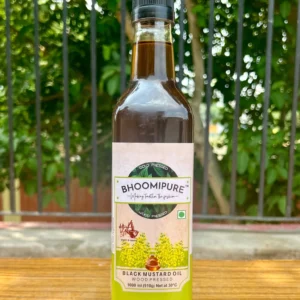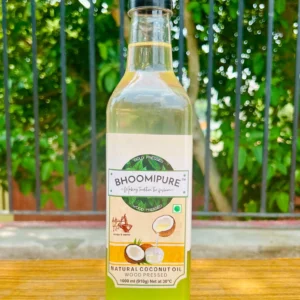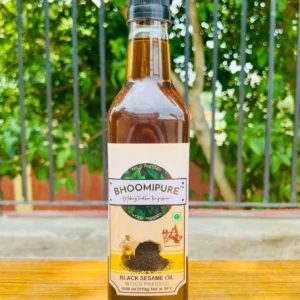

With growing awareness about healthy cooking oils, many consumers are now searching for pure and unadulterated edible oils. However, the edible oil market can sometimes be confusing because many products claim to be natural or cold-pressed even when they are highly processed. Understanding a few simple indicators can help you identify whether the oil you are buying is truly authentic.
1. Natural Aroma
Pure edible oils usually have a distinct natural aroma that comes from the seeds used to produce them. For example:
• mustard oil has a sharp, pungent smell
• sesame oil has a nutty fragrance
• groundnut oil has a mild peanut-like aroma
If an oil has almost no smell, it may have undergone heavy refining or deodorization.
2. Color Reflects the Seed
Authentic oils often retain the natural color derived from the seeds.
Typical examples include:
• mustard oil – deep golden yellow
• sesame oil – light golden to amber
• groundnut oil – pale yellow
Highly refined oils are often very clear and uniform in color because pigments are removed during bleaching.
3. Slight Sedimentation
Traditional or minimally processed oils may contain tiny natural particles or sediment at the bottom of the container. This occurs because the oil is not heavily filtered.
While this sediment is natural, refined oils are usually completely clear due to extensive filtration and processing.
4. Flavor Profile
Pure oils typically have a distinct taste characteristic of the seed.
Examples include:
• mustard oil – strong and sharp
• sesame oil – nutty and rich
• coconut oil – mildly sweet
If an oil tastes extremely neutral, it may have been refined and deodorized.
5. Minimal Processing
Authentic oils are generally produced through mechanical extraction methods rather than chemical processes.
Traditional methods may include:
• cold pressing
• wooden ghani extraction
• mechanical seed pressing
These techniques help preserve the oil’s natural compounds and flavor.
6. Shorter Shelf Life
Because minimally processed oils retain natural compounds and do not contain stabilizing additives, they often have a slightly shorter shelf life compared to heavily refined oils.
This is normal and reflects the oil’s natural composition.
7. Transparent Labeling
Reliable brands usually provide clear information about their production methods and certifications.
Look for labels that clearly mention:
• extraction method (cold pressed or wood pressed)
• manufacturing details
• food safety certifications such as Food Safety and Standards Authority of India approval
Transparent labeling helps consumers make informed decisions.
Final Thoughts
Choosing pure edible oil is an important part of maintaining a healthy kitchen. While marketing claims can sometimes be misleading, understanding a few basic indicators—such as aroma, color, flavor, and processing methods—can help consumers identify authentic oils more confidently.As awareness about food quality grows, more households are paying closer attention to how their cooking oils are produced. Selecting oils that are minimally processed and naturally extracted allows consumers to enjoy both traditional flavor and natural nutrition in their daily meals.