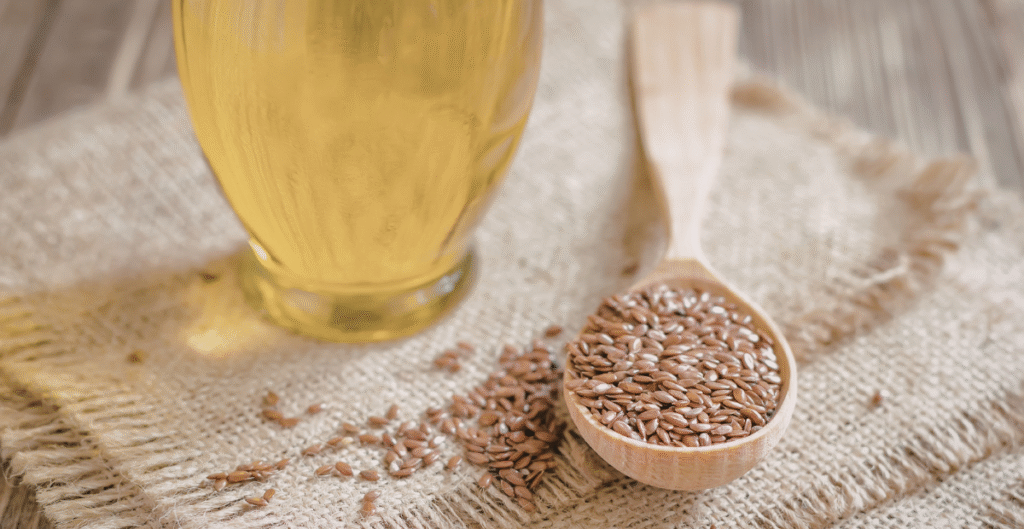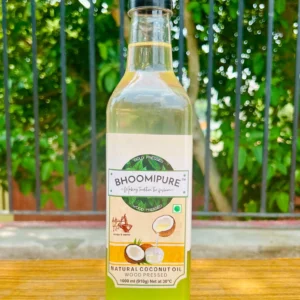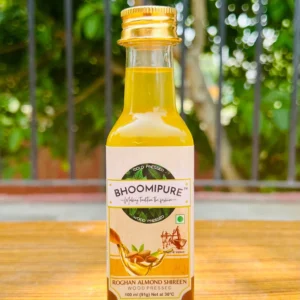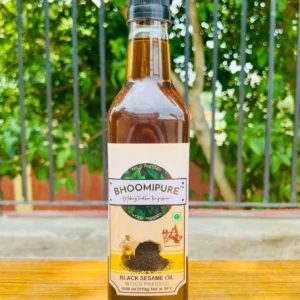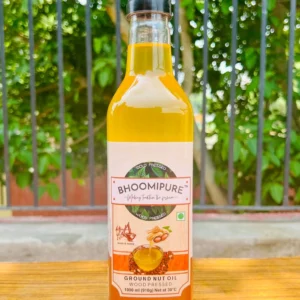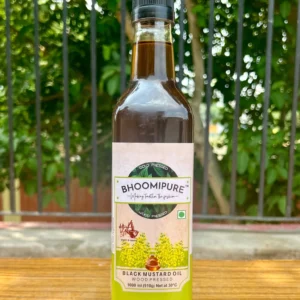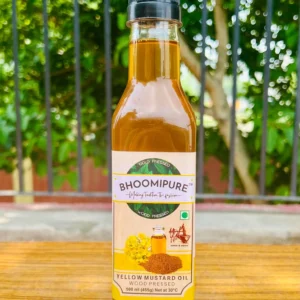
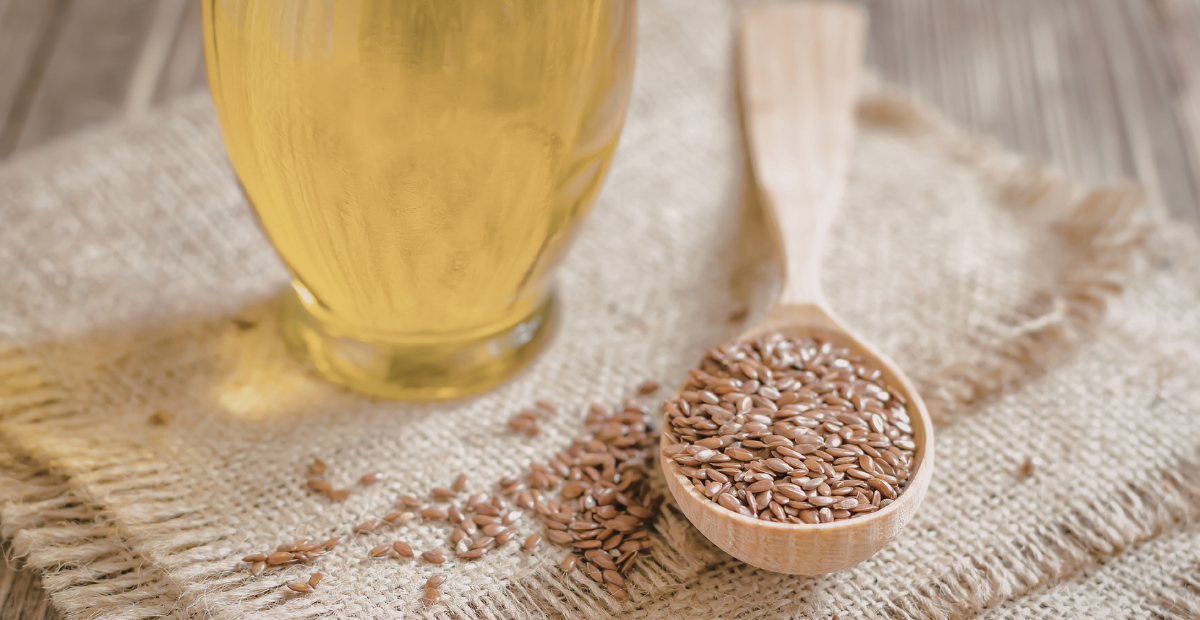
For centuries, Indian households relied on traditional oil extraction methods to obtain pure and nutritious cooking oils. One of the most well-known traditional techniques is wooden ghani extraction, also called Lakdi Ghani. This method uses slow mechanical pressure to extract oil from seeds while preserving their natural nutrients, flavor, and aroma.
Unlike modern industrial processes that prioritize speed and large-scale production, wooden ghani extraction focuses on gentle processing and minimal heat generation.
What Is Wooden Ghani Extraction?
A wooden ghani is a traditional oil press made primarily from wood. It consists of a wooden mortar and a rotating pestle that slowly crushes oilseeds to release their oil.
The system works at a very slow rotational speed, usually around 15–18 rotations per minute (RPM). Because the process is slow, friction and heat remain low, helping maintain the oil’s natural properties.
This traditional method has been used in India for generations to extract oil from seeds such as:
• mustard
• sesame
• groundnut
• coconut
• almond
Step-by-Step Process of Ghani Oil Extraction
The wooden ghani extraction process involves several careful steps to ensure the quality and purity of the oil.
1. Seed Selection
High-quality seeds are selected as the foundation of good oil production. The quality of the seeds directly influences the flavor, aroma, and nutritional value of the final oil.
2. Cleaning the Seeds
The seeds are cleaned to remove dust, stones, and other impurities. This ensures that only pure raw materials enter the extraction process.
3. Slow Crushing in Wooden Ghani
The cleaned seeds are placed inside the wooden chamber. A wooden pestle rotates slowly, crushing the seeds and releasing the oil through natural pressure.
Because the movement is slow, the oil is extracted without generating excessive heat.
4. Natural Oil Collection
As the seeds are crushed, oil gradually flows out of the chamber and is collected in containers. The slow extraction allows the oil to retain its natural aroma and taste.
5. Basic Filtration
The oil may undergo light filtration to remove larger particles. Unlike heavily processed oils, traditional ghani oils are usually minimally filtered, preserving more natural components.
Why Slow Extraction Matters
The speed of extraction can influence the nutritional quality of oil. Faster industrial pressing machines generate more heat due to friction, which may affect sensitive compounds present in oilseeds.
Slow ghani extraction helps maintain important natural components such as:
• antioxidants
• natural vitamins
• flavor compounds
• aromatic oils
Because the oil is not exposed to aggressive chemical processing or extreme temperatures, it remains closer to its natural state.
Cultural and Traditional Importance
Wooden ghani extraction is deeply connected to India’s traditional food culture. Before large industrial refineries became common, many villages had local oil mills that used ghani presses to produce fresh oil for nearby households.
This local system allowed communities to consume freshly extracted oils made from locally grown seeds, supporting both health and rural economies.
Renewed Interest in Traditional Extraction
In recent years, many consumers have started to rediscover traditional oil extraction methods. As awareness grows about food processing and ingredient quality, there is increasing interest in oils produced through traditional, minimally processed techniques.
Consumers often associate wooden ghani oils with:
• authenticity
• traditional food wisdom
• minimal processing
• natural flavor and aroma
This renewed interest reflects a broader movement toward natural and heritage-based food practices.
Final Thoughts
Traditional wooden ghani extraction represents a time-tested approach to oil production that prioritizes quality over speed. By slowly crushing seeds at low temperatures, this method helps preserve the natural characteristics of the oil.
Understanding how ghani extraction works allows consumers to appreciate the craftsmanship and traditional knowledge behind oils produced using this centuries-old technique.