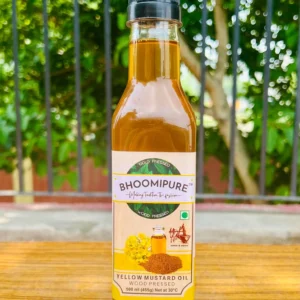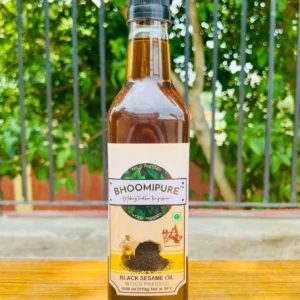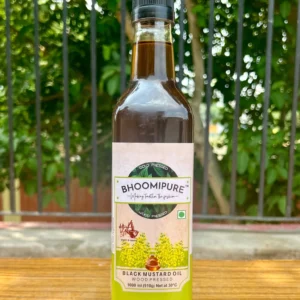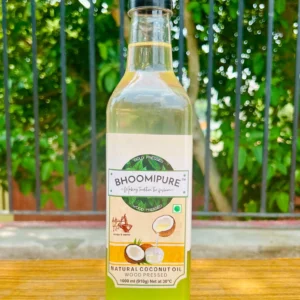

The way oil is extracted from seeds plays a major role in determining its nutritional quality. While modern industrial methods prioritize speed and high yield, traditional extraction techniques focus on gentle processing that preserves the natural properties of the oil. One of the most important factors in this process is extraction speed.
Slow extraction methods have been used in traditional oil production for centuries because they help maintain the oil’s natural nutrients, flavor, and beneficial compounds.
The Role of Temperature in Oil Extraction
When seeds are crushed to extract oil, friction generates heat. If the pressing speed is very high, the temperature can rise significantly during extraction.
High temperatures may lead to:
• degradation of sensitive nutrients
• loss of natural antioxidants
• breakdown of flavor compounds
• reduction in vitamin content
Scientific studies on edible oils show that excessive heat during processing can damage bioactive compounds naturally present in oilseeds.
Bioactive Compounds Found in Natural Oils
Unprocessed oils contain several important compounds that contribute to their nutritional value.
These include:
• Tocopherols (Vitamin E)
• Phytosterols
• Phenolic compounds
• Natural antioxidants
Research on mechanically extracted oils indicates that lower processing temperatures help preserve these compounds, while intensive industrial processing may reduce them.
How Slow Extraction Helps Preserve Nutrients
Slow extraction methods reduce friction and therefore limit the heat generated during the pressing process.
Key characteristics of slow extraction include:
• lower rotational speed during pressing
• minimal temperature rise during extraction
• preservation of natural oil structure
• reduced oxidation during processing
Traditional wooden ghani extraction, for example, typically operates at very low speeds (around 15–18 rotations per minute). This slow movement helps maintain the oil’s natural composition.
Impact on Flavor and Aroma
Besides preserving nutrients, slow extraction also helps retain the natural aroma and taste of the oilseed.
Because the oil is not exposed to excessive heat or aggressive refining processes, it keeps its original sensory qualities.
Examples include:
• mustard oil retaining its sharp aroma
• sesame oil maintaining its nutty flavor
• groundnut oil preserving its mild peanut-like taste
These flavors are often reduced or completely removed during industrial refining processes.
Oxidation and Oil Stability
High temperatures can accelerate oxidation, a chemical reaction that affects oil quality over time.
Slow extraction methods help reduce oxidation because:
• heat exposure is limited
• natural antioxidants remain intact
• fewer reactive compounds are formed during processing
These factors help maintain the oil’s natural stability and nutritional integrity.
Why Traditional Methods Are Being Rediscovered
As consumers become more aware of food processing techniques, there is renewed interest in traditional oil extraction methods that prioritize quality over speed.
Slow extraction methods are often associated with:
• minimal processing
• preservation of natural nutrients
• authentic flavor
• traditional food practices
This growing awareness is encouraging many households to choose oils that are gently extracted rather than heavily processed.
Final Thoughts
Oil extraction is not just about obtaining oil from seeds—it also determines how much of the seed’s natural nutrition is preserved. Slow extraction methods reduce heat, limit oxidation, and help maintain the beneficial compounds naturally present in oilseeds.
By understanding how extraction speed influences oil quality, consumers can make more informed choices about the oils they use in everyday cooking.