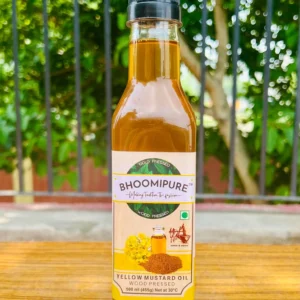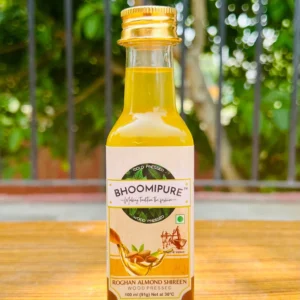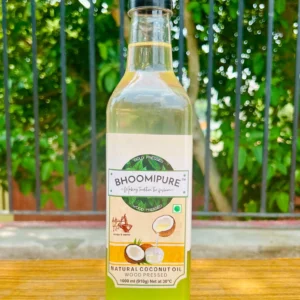

For thousands of years, oils have played an important role in India’s traditional health systems. In Ayurveda, oils are not only used for cooking but also for healing, nourishment, and maintaining balance in the body. Ancient Ayurvedic texts describe oils as carriers of nutrients that support overall wellness when used correctly. Traditional oils such as mustard, sesame, coconut, and almond have long been valued in Ayurvedic practices for their natural properties and versatility.
Oils in Ayurvedic Philosophy
Ayurveda emphasizes balance in the body through diet, lifestyle, and natural remedies. Oils are considered important because they help support the body’s tissues and maintain internal balance. Classical Ayurvedic literature such as the Charaka Samhita and the Sushruta Samhita describe the use of various oils for nourishment and therapeutic purposes.
In Ayurveda, oils are often used to:
• support digestion and metabolism
• nourish body tissues
• maintain skin and hair health
• promote relaxation and balance
These uses highlight the importance of oils as part of a holistic approach to health.
Common Oils Used in Ayurveda
Different oils are traditionally used for different purposes depending on their natural properties.
Sesame Oil
Sesame oil is one of the most commonly referenced oils in Ayurvedic texts. It is traditionally valued for:
• nourishing body tissues
• supporting skin health
• use in massage therapies
Sesame oil is often used in Ayurvedic practices such as abhyanga, a traditional self-massage technique.
Mustard Oil
Mustard oil is known for its warming properties and strong aroma. Traditionally it has been used for:
• cooking in colder climates
• stimulating circulation through massage
• seasonal wellness practices
Coconut Oil
Coconut oil is commonly used in tropical regions due to its cooling nature. Traditional uses include:
• skin and hair care
• cooking in coastal cuisines
• soothing effects during hot weather
Almond Oil
Almond oil has been traditionally used for nourishment and gentle care. It is commonly associated with:
• skin nourishment
• hair conditioning
• massage practices
Oils as Carriers of Herbal Benefits
In Ayurveda, oils are often used as carriers for herbal ingredients. When herbs are infused in oil, the oil helps deliver beneficial compounds to the body. This principle is used in many Ayurvedic preparations such as medicated oils used for massage and therapeutic treatments. The lipid nature of oils allows them to absorb and carry plant-based compounds effectively.
Importance of Natural Extraction
Traditional Ayurvedic practices emphasize the importance of pure and minimally processed oils. Oils produced through gentle extraction methods are believed to retain more of their natural properties. Excessive heat or chemical processing can alter the natural composition of oils and reduce their beneficial compounds. Because of this, traditional oil extraction methods such as mechanical pressing have long been preferred in natural health traditions.
Traditional Oils in Modern Lifestyle
In recent years, there has been growing interest in traditional dietary practices and Ayurvedic wellness. Many people are rediscovering the value of traditional oils not only for cooking but also for natural self-care routines. Consumers today often seek oils that are:
• minimally processed
• naturally extracted
• free from additives
• closer to traditional preparation methods
This renewed interest reflects a broader movement toward natural living and traditional wellness practices.
Final Thoughts
Traditional oils have been an essential part of Ayurvedic health systems for centuries. Their use in cooking, massage, and natural wellness practices highlights their versatility and importance in maintaining balance in the body. By understanding the traditional role of oils in Ayurveda, modern consumers can reconnect with time-tested knowledge that values purity, natural nutrition, and holistic well-being.